Planning Permission in the Rural Vale of Glamorgan
Most of our work in the Vale is outside the towns. Barns and farm buildings, stone farmhouses, houses on the coast, and the occasional site where someone wants to build new in open countryside. This is the part of the Vale where planning is hardest, and where the quality of the application matters most.
What follows is what the council looks for, what it will and will not accept, and how to give a rural project the best chance of consent.
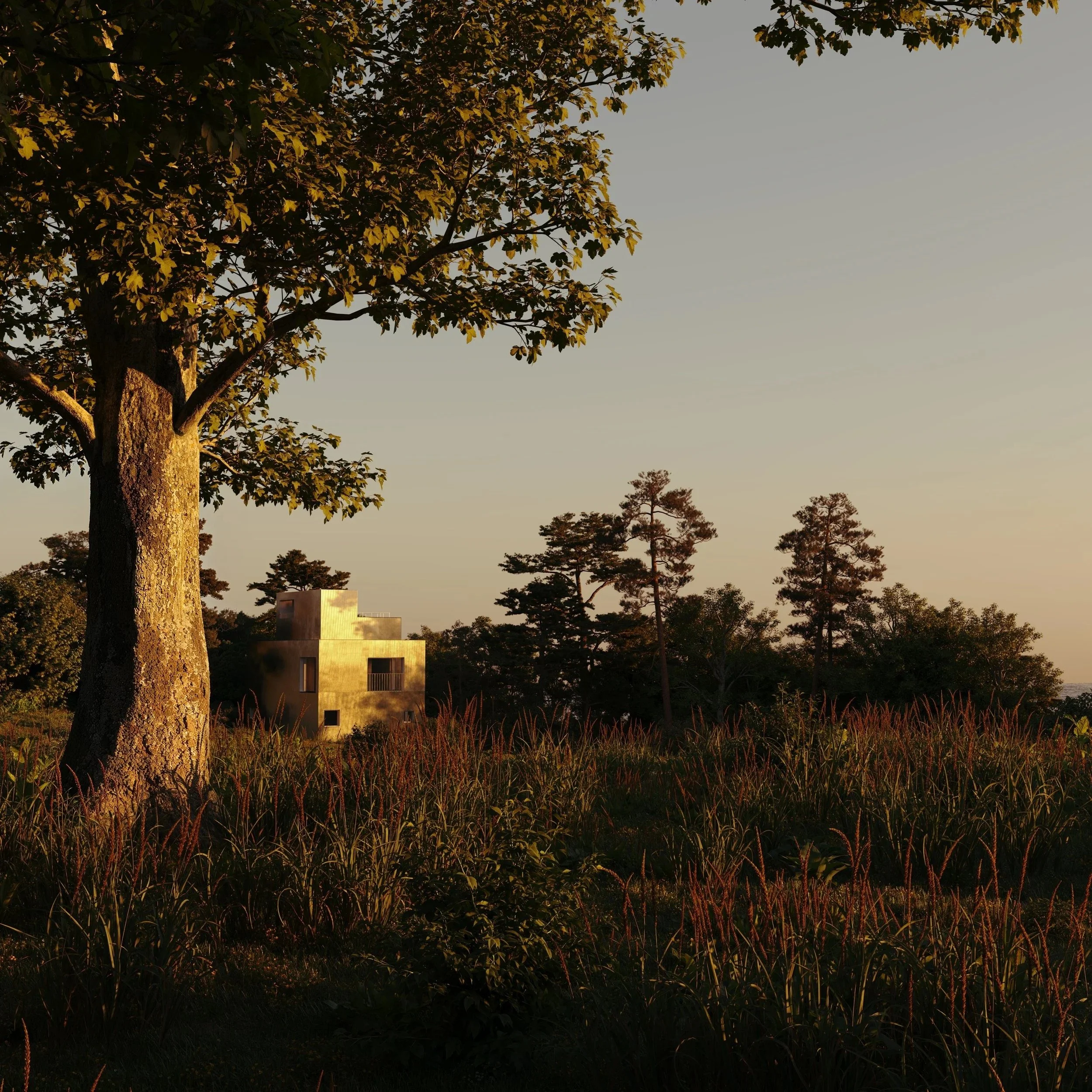
Swanbridge
The Watchtower
Converting a barn or farm building
Unlike England, Wales has no permitted development right for turning a farm building into a house. Every conversion needs full planning permission, and in the Vale it is judged against Policy MD11 of the Local Development Plan and the council's guidance on the conversion of rural buildings. The tests are stricter than most owners expect.
The building has to be capable of conversion. A structural survey by a competent engineer is normally required, showing it can be converted without major or complete rebuilding. A ruin, or a building that only works with a large new extension, will not pass.
A house is the council's last choice, not its first. Business, tourism and community uses are preferred, and for residential use you normally have to show the building has been actively marketed for those other uses, usually for at least twelve months, without success. Conversions close to a village or within reach of services are also viewed far more favourably than isolated ones.
And it has to still look like a barn. Existing openings reused and new ones kept to a minimum, the roof line left alone, no dormers, no new chimneys, and a garden that does not turn a farmyard into a suburban plot. Extensions have to be small and clearly subordinate.
We think these rules are mostly right. A barn converted well keeps its scale, its openings and the sense of what it was. The work is in finding a way to live inside that without breaking it.
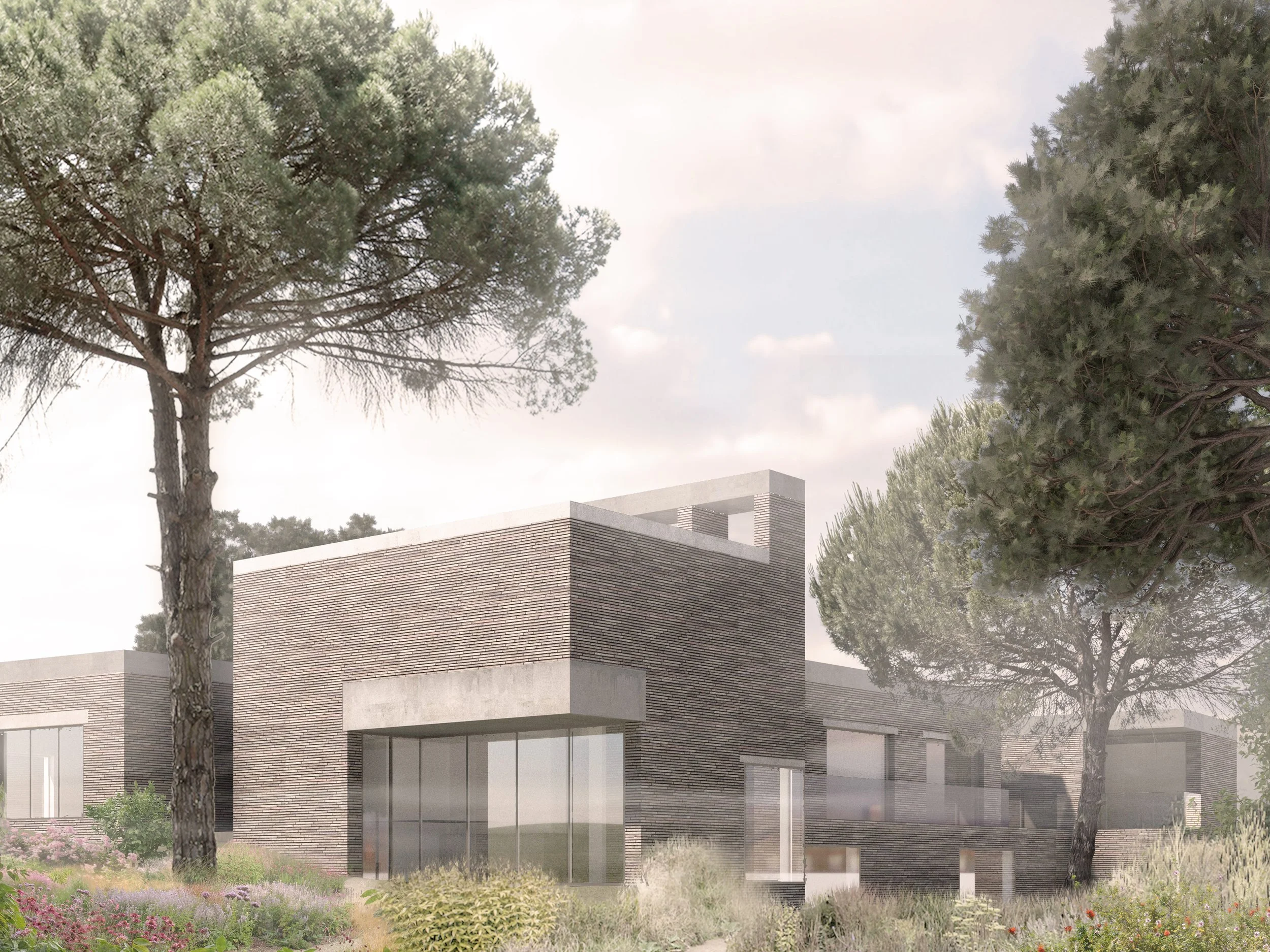
St Mary's Well Bay
Pre-application
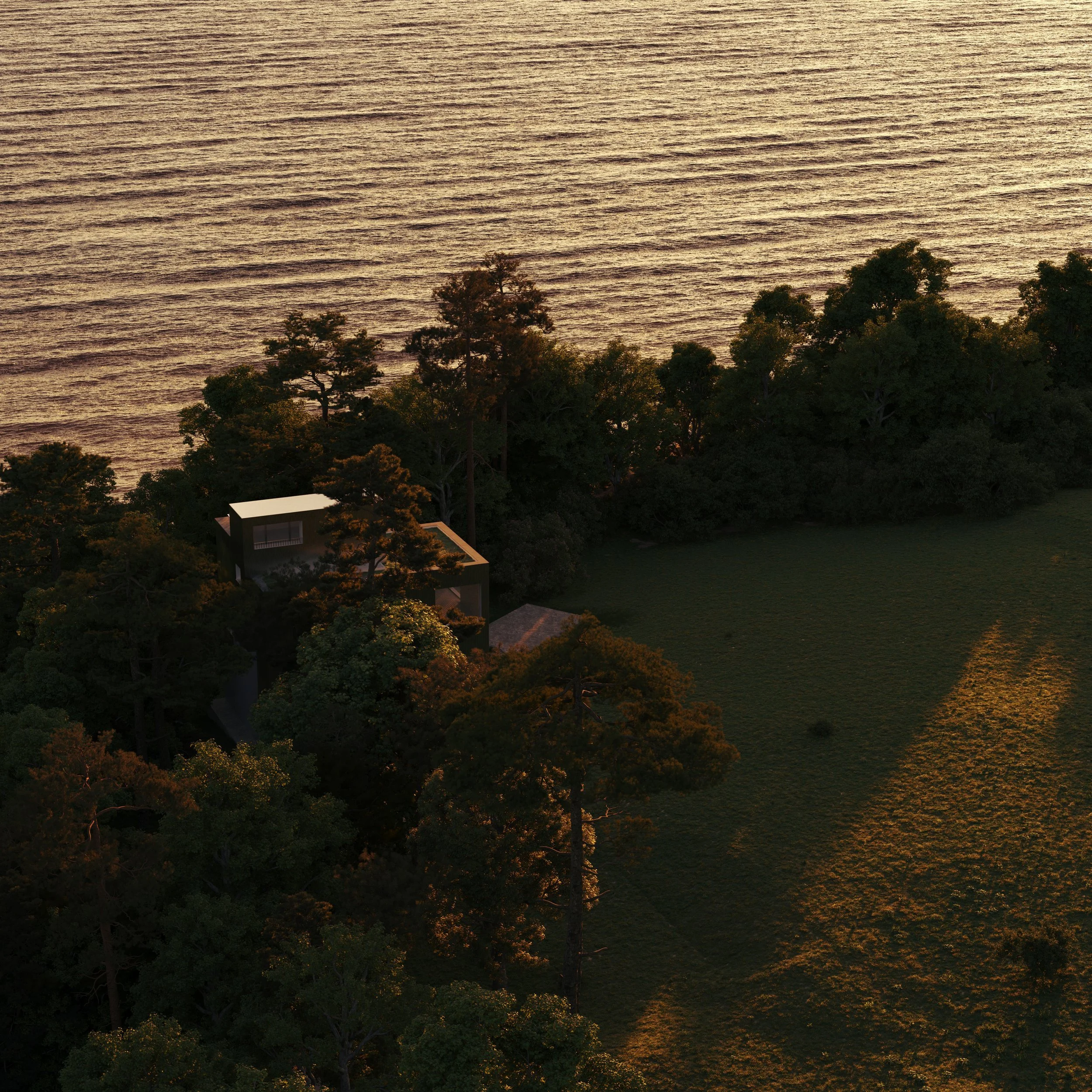
Building a new house in the countryside
This is the hardest thing to get through planning in Wales. National policy directs new homes into existing settlements, and a new house in open countryside is normally only allowed in a few cases: a dwelling needed for a rural business, a One Planet Development, or the replacement of an existing house.
Where a replacement is possible, it is usually expected to be of a similar scale to the house it replaces. The argument for a better building on the same site is often a strong one, but it has to be made carefully and early.
Extending a rural house or farmhouse
Extensions in the countryside are judged on how they sit in the landscape as much as on the house itself. Much of the rural Vale lies in Special Landscape Areas, including the Thaw Valley, Nant Llancarfan and the land around Castle-upon-Alun, and much of the coast is part of the Glamorgan Heritage Coast. In both, the council looks closely at views, ridge lines, materials and planting.
A proposal that reads as part of the landscape from a distance will usually fare better than one that has only been designed from close up.
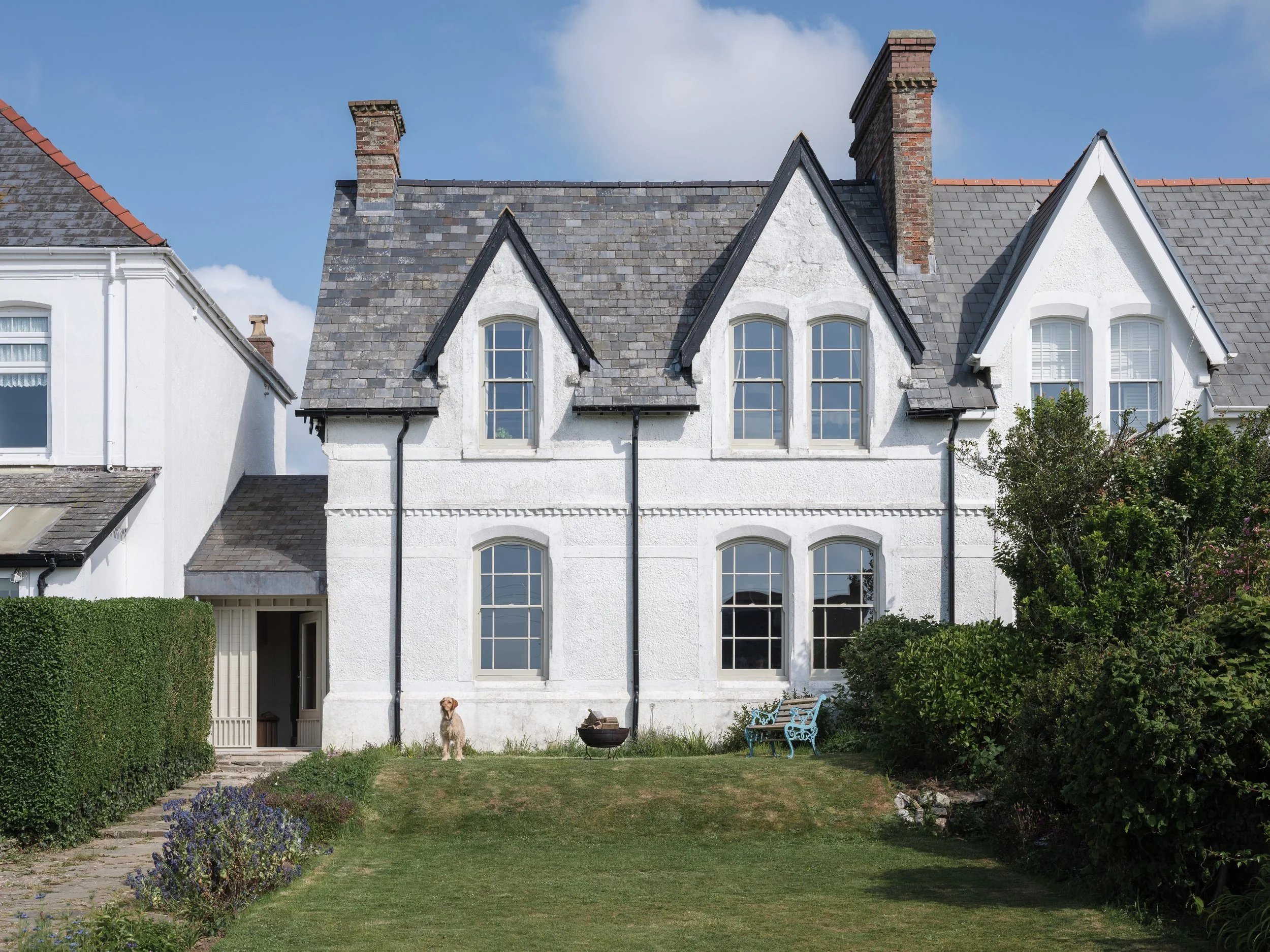
Southerndown
Clifton House
Bats, owls and the calendar
Almost every barn and many old farmhouses need a bat survey, and often a barn owl survey, before an application can be decided. Without one it can be refused. Bat surveys can only be done between May and September, so a project that starts in the autumn can lose most of a year waiting for the season. We would always commission ecology at the very start.
What the plan says, and what is changing
The Vale of Glamorgan Local Development Plan, adopted in 2017, still governs decisions. A replacement plan running to 2036 is expected to be adopted in 2027, and rural policy may change with it. For a project starting now, it is worth knowing which way that is heading.
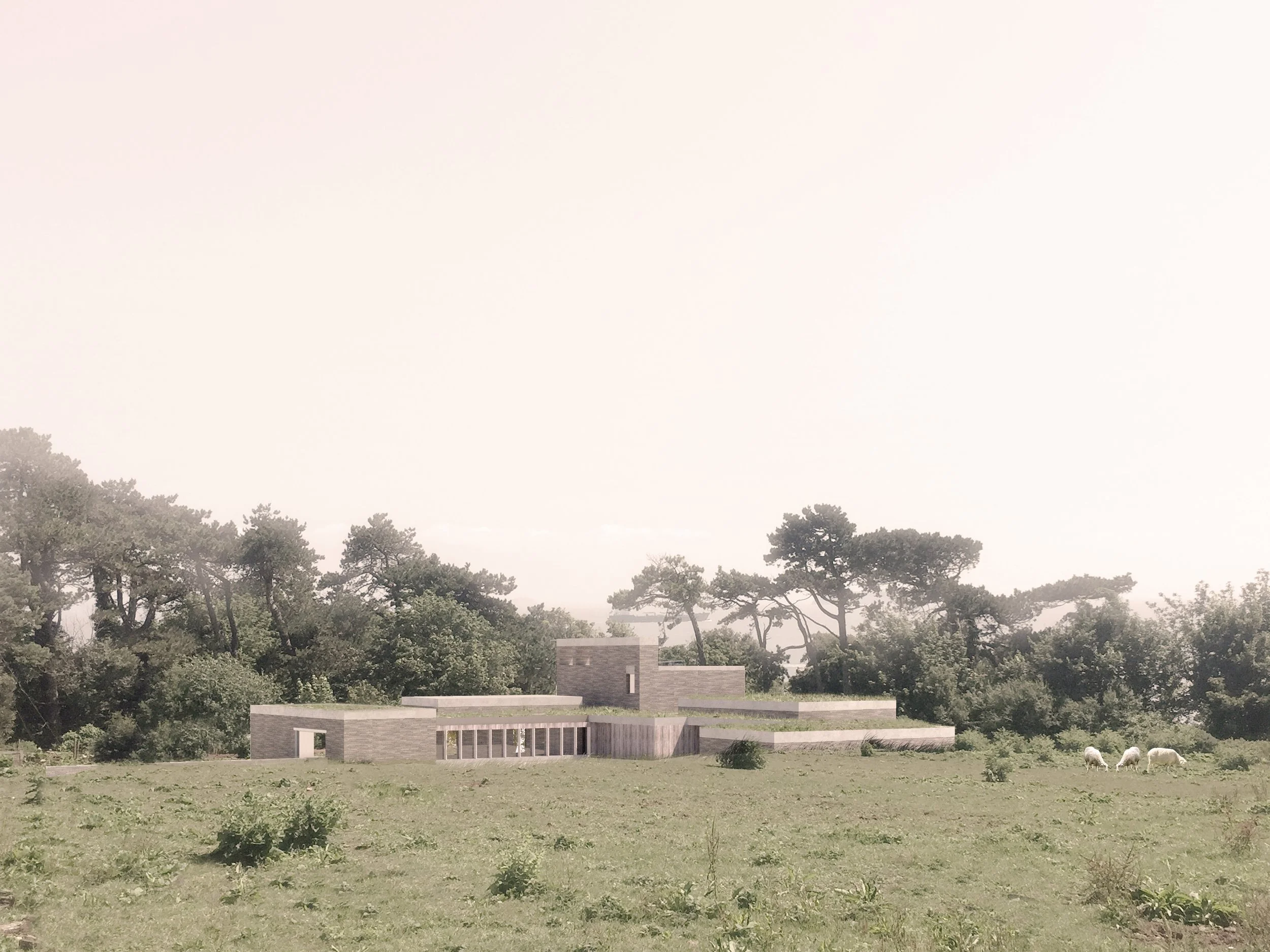
Vale of Glamorgan
A new house in the countryside
How we work
We begin with a visit and an honest view on whether the site can work, and what it would take. Where the planning case is uncertain, we usually recommend pre-application advice from the council before anyone spends money on a full design.
From there we assemble the team the application needs: structural engineer, ecologist, and where the building is listed, a heritage consultant. Then we design, submit, and see the project through to completion on site.
Book a consultation to talk your site through.
Swanbridge
Above the Bristol Channel